
The evolution of gambling A journey through time and culture
Table of Contents
Origins of Gambling
The roots of gambling can be traced back thousands of years to ancient civilizations. Archaeological evidence suggests that games of chance were played in Mesopotamia around 3000 BC. These early forms of gambling often involved the use of dice made from materials such as bone and ivory, along with rudimentary betting systems that reflect the human inclination to wager on uncertain outcomes. Today, many are drawn to bitcoin casinos for a new take on those ancient practices.
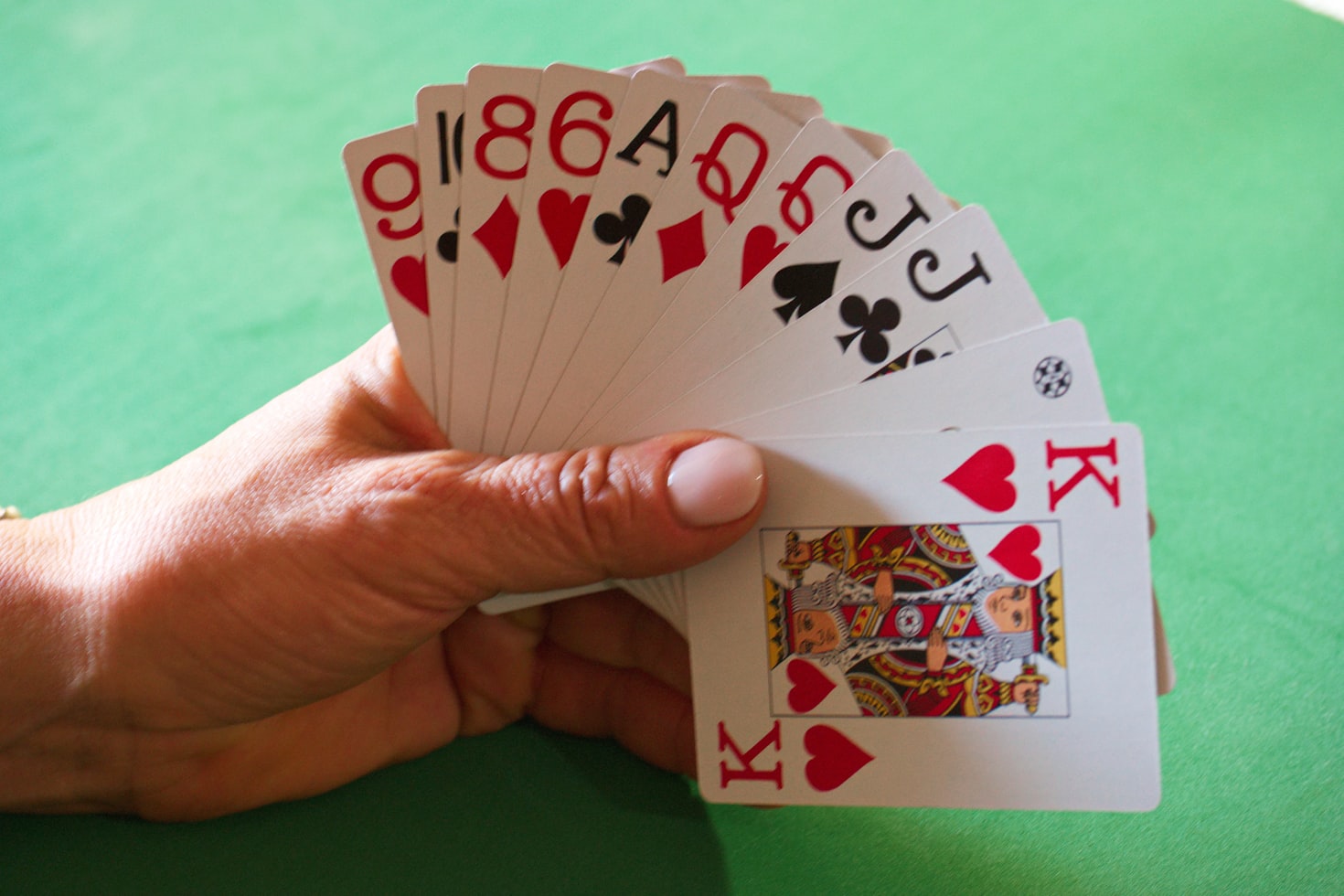
In ancient China, gambling became prominent during the Han Dynasty, with references to games involving tiles and betting on outcomes. This reflects a cultural acceptance of chance-based activities that would influence future generations. As societies evolved, so did the complexity of their gambling practices, moving from simple games to more structured forms, such as organized betting on chariot races in ancient Rome.
Gambling in the Middle Ages
The Middle Ages marked a period of significant change in gambling practices, particularly in Europe. With the rise of kingdoms and the establishment of social classes, gambling became intertwined with nobility. The invention of playing cards in the 14th century further revolutionized the landscape of gambling, leading to the emergence of card games that would become staples in casinos worldwide.
However, the church’s influence during this time often condemned gambling, leading to varied legal interpretations across regions. While some countries embraced gambling as a pastime, others imposed restrictions, creating an underground culture of wagering that thrived in secrecy. This dichotomy illustrates how gambling was both celebrated and shunned, reflecting broader societal values and beliefs.
The Birth of Modern Gambling
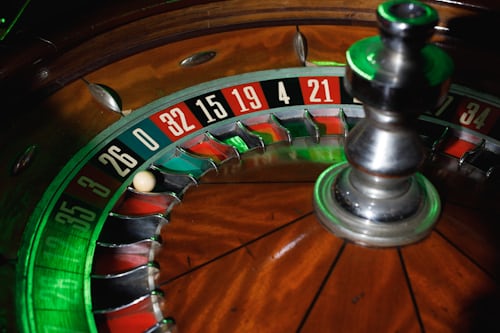
The 18th and 19th centuries ushered in the modern era of gambling, characterized by the establishment of formal casinos. The first official casino opened in Venice in 1638, setting a precedent for luxury and entertainment that defined gambling’s evolution. The allure of games such as roulette and blackjack became emblematic of a new cultural phenomenon where gambling was accessible to a broader audience.
As the Industrial Revolution progressed, cities became hubs for gambling activities. The emergence of betting on horse racing, along with the proliferation of lotteries, showcased how gambling expanded beyond elite circles. These developments highlighted the changing nature of gambling, making it a popular and socially acceptable pastime for many, which would shape its future growth.
The Digital Revolution and Gambling
The advent of the internet in the late 20th century transformed gambling into a global phenomenon. Online casinos began to emerge, allowing people to play from the comfort of their homes. This shift not only expanded access but also diversified gambling experiences through innovative games and live dealer options, enhancing user engagement and participation.
Regulatory changes in various countries also played a crucial role, as governments sought to control and monetize this booming industry. The rise of mobile gambling further revolutionized the landscape, making it easier than ever for individuals to place bets on the go. This digital evolution marks a significant departure from traditional gambling, leading to discussions around responsible gaming and the psychological implications of easy access.
Conclusion: The Future of Gambling and Colbert News Hub
The journey of gambling through time and culture illustrates its adaptability and enduring appeal. As societal values continue to evolve, so too will the nature of gambling, influenced by technology, regulation, and cultural shifts. The importance of understanding odds and probabilities remains paramount for both casual players and serious gamblers alike, especially as the landscape continues to shift dramatically.
Colbert News Hub is committed to providing insightful content that explores the complexities of various topics, including the fascinating evolution of gambling. As the landscape continues to change, readers can rely on the hub for comprehensive coverage and analysis of the trends shaping this dynamic industry.
Leave A Comment